
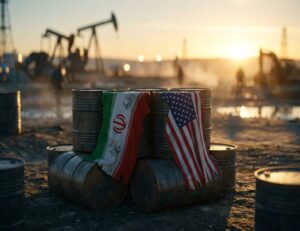

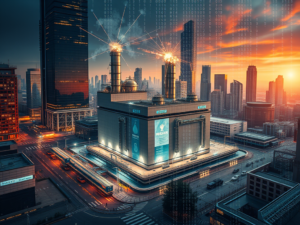

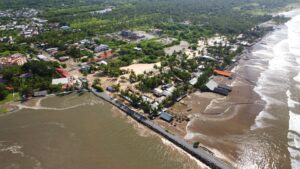
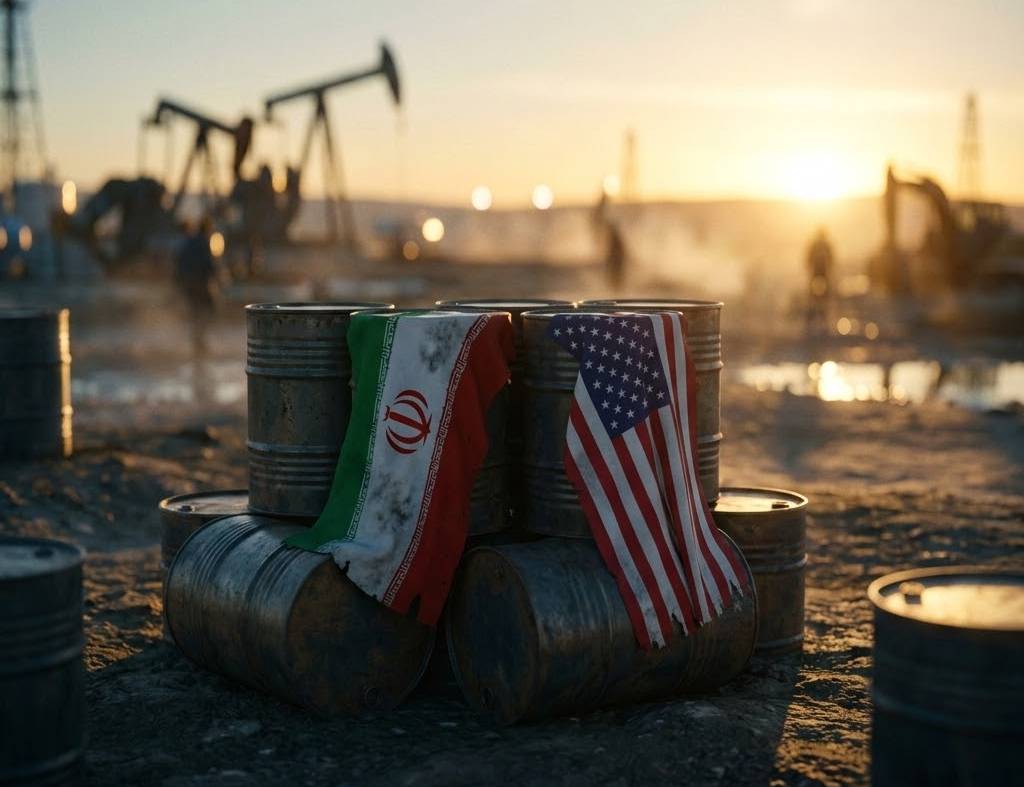
Intro: In the air-conditioned, high-rise boardrooms where urban professionals conduct their daily business, the word “security” typically conjures images of a well-diversified stock portfolio and the comfort of a gated community. However, as tensions between Iran and the USA escalate from mere diplomatic disagreements to the realm of active and aggressive cyber-warfare, that long-held definition of security is on the verge of receiving a harsh and violent reality check. When the delicate regional stability of a major international hub—whether located in the volatile Middle East or in a seemingly isolated and tranquil territory like the Cayman Islands—begins to deteriorate rapidly, no amount of money in your bank account will be able to ensure your survival or safety.
You have to choose your assets wisely. And most of you are choosing wrong.
1. The Fuel Trap
Most “preppers” and even smart executives think fuel is the king of assets. They stockpile diesel for generators and gasoline for the getaway car.
The Hard Truth: Fuel is a depleting asset with a massive target on its back. In a regional conflict, fuel becomes a regulated, rationed, or confiscated resource. It’s loud, it’s dangerous to store, and once the tank is empty, your expensive backup system becomes a multi-thousand dollar paperweight. Relying on fuel is just another form of dependency.
2. The Sovereignty of Filtration
While the world fights over the last gallon of gas, the elite operator focuses on Filtration. Why? Because your body can last weeks without fuel, but only three days without water.
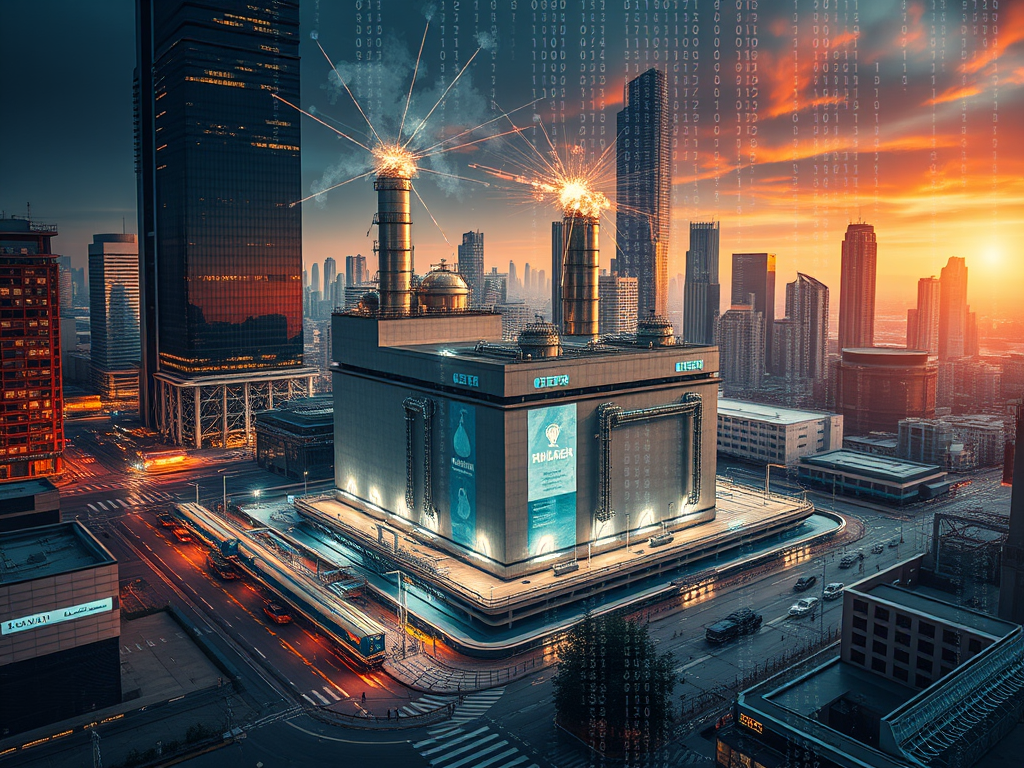
In a cyber-war scenario, the first thing an adversary targets isn’t your car—it’s the municipal water treatment plant. If you can’t turn “dirty” water into “life-saving” water without relying on the city’s power or a delivery truck, you don’t have assets; you have a countdown to a crisis.
3. Tactical Asset Prioritization
If you want true Asset Security, you need to pivot from “Hoarding” to “Autonomy”:
- Energy: Stop relying on fuel-chugging generators. Move to silent, decentralized solar-battery systems.
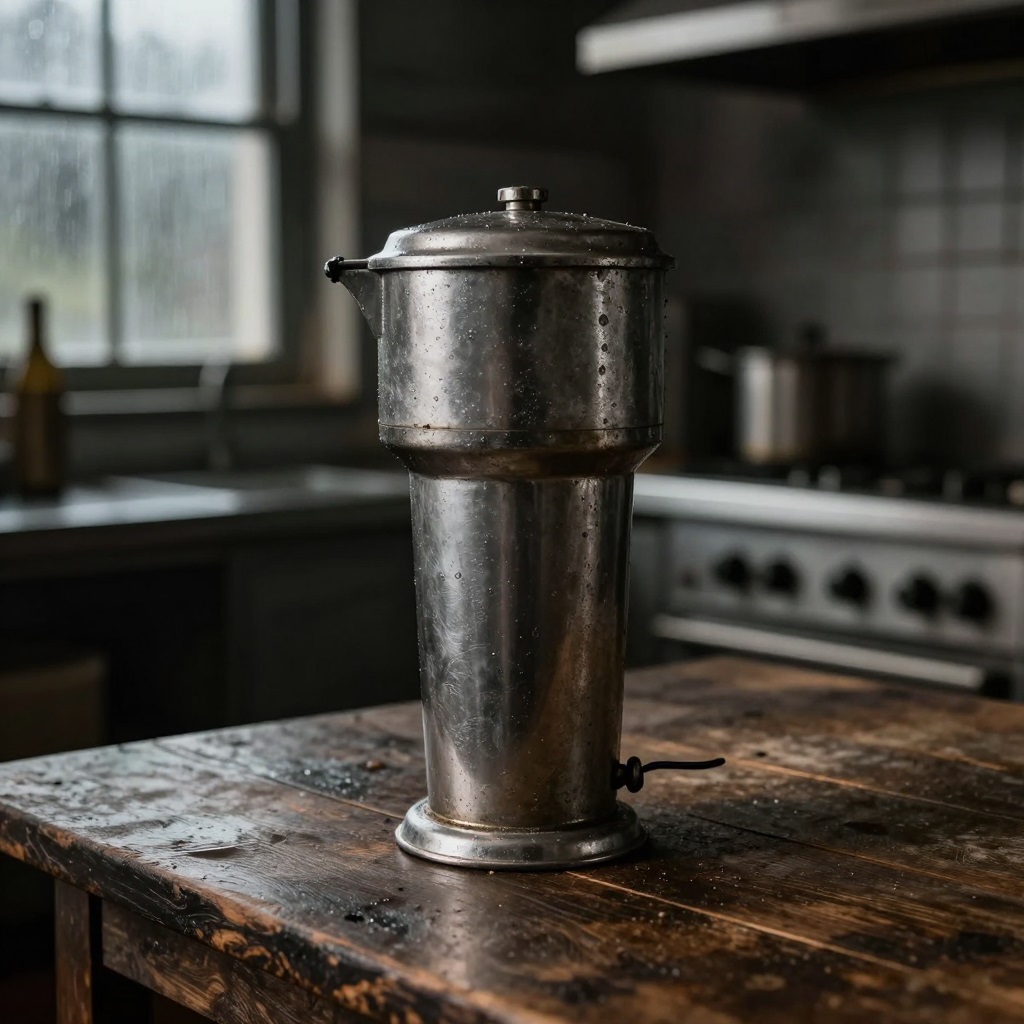
- Water: Stop buying cases of plastic bottles. They are a logistical nightmare.
- The Blueprint: You need a system that works when the grid is dead and the supermarkets are empty.
The Bottom Line
In a conflict, the person with 100 gallons of gas is a target. The person with a permanent, decentralized water filtration system is a survivor. Don’t be the executive who realized this too late.
Secure your family’s most critical asset today with the Tactical Water Blueprint.