









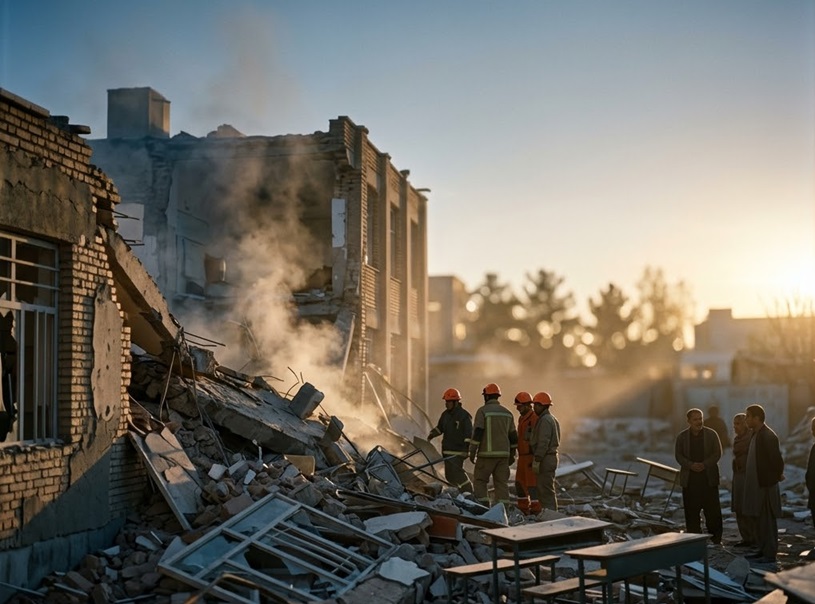
The news coming out of Minab, Iran, has left the world in a state of shock and mourning. In a single moment, the Shajareh Tayyebeh Elementary School a place that should have been a sanctuary for growth and laughter became a site of unimaginable carnage. With over 170 victims, most of them young girls, the incident has sparked a global debate: Who is ultimately responsible?
It’s Not the Nations, but the Hands that Rule
It is easy to point a finger at a map and blame a whole country. However, the tragedy of war is rarely the fault of ordinary citizens who just want to live in peace. As you noted, the blame lies with the people who run the countries.
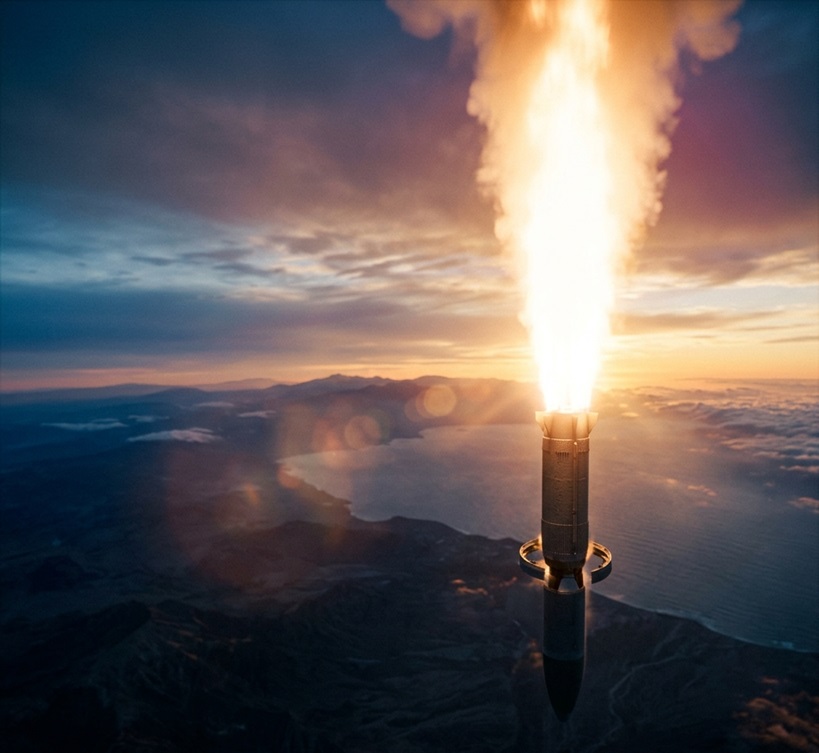
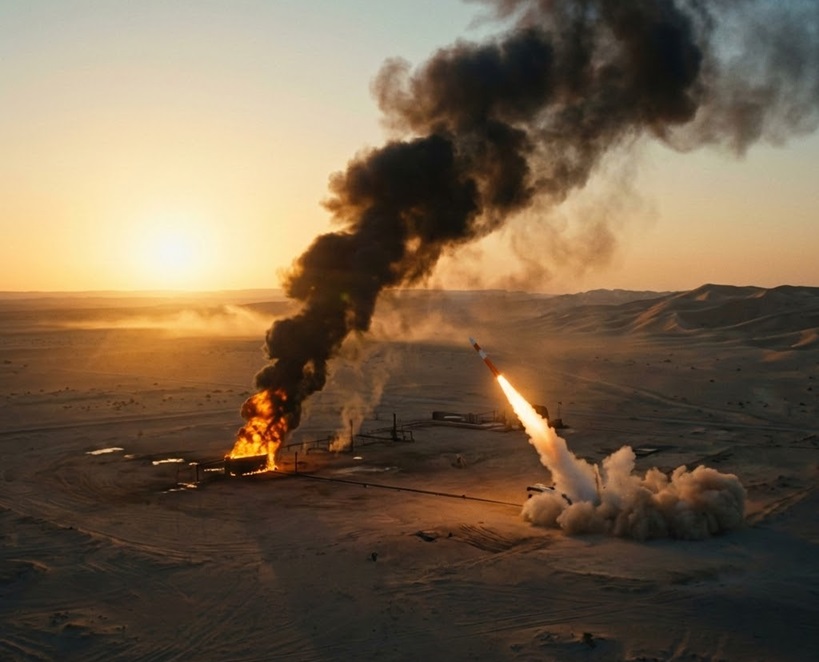
Whether it is a commander in a cold, high-tech operations room or a political leader seeking a “strategic advantage,” the decisions are made by individuals. In this case, reports suggest a US Tomahawk missile hit the school due to an “outdated target list.” To a military, that is a technical glitch. To the families in Iran, it is a lifetime of grief. When the “evil eyes” of those in power prioritize military objectives over human intelligence, the innocent are always the ones who pay the price.
The Paradox of Nuclear Energy and Human Invention
My reflection on the invention of the bomb touches on a profound truth about human nature. Nuclear energy is a triumph of science. It can power entire cities with clean energy and provide life-saving medical treatments. It is a gift of human brilliance.
But here is where the “evil eyes” come in:
- The Light: We use the atom to bring light and healing.
- The Dark: We use that same knowledge to create weapons of mass destruction and high-precision missiles that, despite their “precision,” still end up crushing a two-story school building.
If we had never sought to weaponize the atom, the scale of death we see in modern warfare might not exist. We have the capability to create a paradise through technology, yet we often choose to build a more efficient hell because of greed, pride, and the thirst for power.
Why the Blame is Shared
Why does it feel like everyone is to blame? Perhaps because as a global society, we have allowed violence to become a “standard” solution for conflict. We invest trillions into making bombs smarter, but we invest so little in making our diplomacy more compassionate.
The children of Minab didn’t just die because of a missile; they died because of a global system that values military dominance over the sanctity of a classroom. If the United States, Israel, or any other nation continues to rely on “outdated maps” while using “state-of-the-art” weapons, these “accidents” will keep happening.
Conclusion: A Call for Humanity
We cannot bring back the 170 children who lost their lives on February 28. But we can demand that our leaders stop using science as a mask for destruction. Technology should be a servant to life, not a tool for its erasure.
As long as we allow the “evil eyes” of power to dictate how we use our greatest inventions, the world will remain a dangerous place for the most vulnerable among us.
What do you think?
Is it possible to separate the benefits of nuclear science from the horrors of its weaponry, or is the “evil eye” of humanity simply too strong to resist?